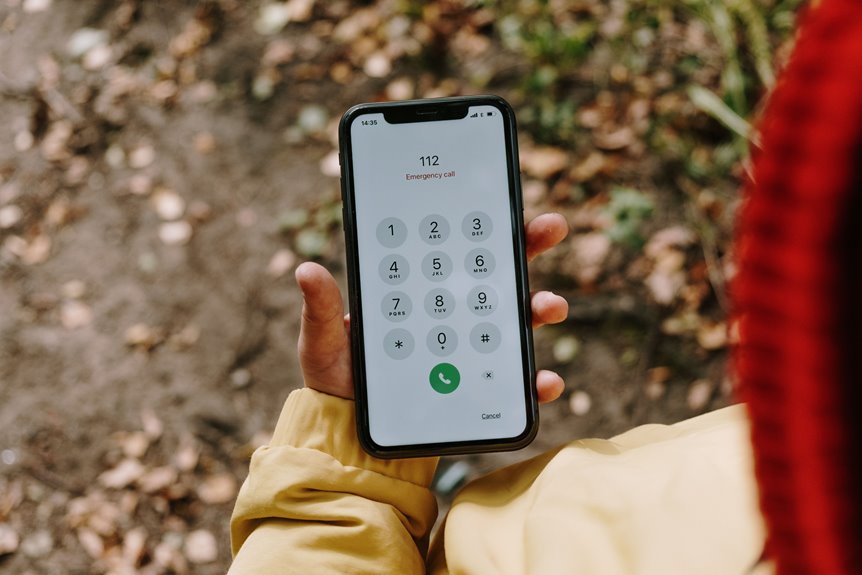
Unknown Contact Verification: 8552180984, 7042808701, 844-933-2947, 2154481326, 8667677603, 8163210189, 9842559759, 4128502001, 787-434-8007 & 604-901-2250

Unknown contact verification for the listed numbers invites a careful assessment. A disciplined workflow—checking identifiers, motives, and corroborating evidence—helps distinguish legitimate lines from spoofed or harmful ones. The process requires methodical steps, cautious interpretation, and clear criteria for outcomes. The reader is left with unsettled questions and a foundation to compare practices, offering a reason to continue exploring how to transform suspicion into informed discernment.
What Unknown Calls Really Mean and Why It Matters
Unknown calls can signal a range of intents, from benign to fraudulent, making their presence a pattern worth examination rather than a mere nuisance.
The piece outlines unknown calls as data points for caller analysis, noting how spoofed numbers complicate attribution.
Verification steps are recommended to distinguish legitimate contact from deception and to preserve personal autonomy and security.
Quick Red Flags for Spoofed and Scams on Your Phone
Quick red flags for spoofed calls and phone scams include unexpected urgent requests, pressure to act immediately, and unfamiliar numbers that refuse or avoid leaving a message.
Unknown calls may appear legitimate but carry scam indicators such as generic greetings, requests for personal data, or immediate payment demands.
Remaining calm helps discern risks and protect privacy and freedom.
Step-by-Step Verification: From Suspect to Safe Contact
Step-by-step verification transforms suspicion into certainty by outlining a disciplined process to assess unknown contacts.
The procedure emphasizes Unknown contact verification, step by step, with a verification workflow that tracks evidence, cross-checks identifiers, and records outcomes.
It moves from Suspect to safe contact by validating context, intent, and legitimacy while preserving autonomy and security for those seeking freedom through informed discernment.
Tools, Techniques, and Habits to Keep Your Numbers Trusted
Tools, Techniques, and Habits to Keep Your Numbers Trusted outlines a disciplined approach to maintaining reliable contact information.
The section presents methodical safeguards, emphasizes routine verification, and advocates accessible automation paired with human oversight.
It references buzzworthy case studies and applies practical heuristics to reduce false positives, ensuring transparency and freedom to verify data without overreach.
Frequently Asked Questions
How Can I Verify a Legitimate Contact Without Revealing My Data?
To verify identity while preserving privacy, one should use trusted verification apps or services, enabling caller ID options and spoof reporting; avoid sharing personal data, and confirm legitimacy through independent channels, protecting data and reducing exposure during contact interactions.
What Legal Steps Exist to Report Spoofed Numbers?
Legal steps exist to report spoofed numbers, including filing complaints with regulators and telecom providers, documenting incidents, and pursuing consumer protection avenues. Authorities may investigate misuse, while individuals should preserve evidence and follow established reporting procedures. Freedom-focused, cautious approach.
Do Carriers Offer Free Real-Time Caller ID Protection?
Yes, carriers offer limited real-time caller ID protection, though details vary. The system emphasizes privacy controls and contact verification, but consumers should evaluate coverage, costs, and implementation timelines before relying on it for comprehensive spoofing defense.
Can I Block Numbers Without Losing Important Contacts?
Blocking numbers is possible without losing key contacts, though it introduces privacy risks; use verified blocks and trusted lists to preserve contact safety, mindful of spoofing legality and verification data; caller ID protection varies by carrier.
Are There Privacy Risks in Sharing Verification Details?
Privacy risks exist when sharing verification details, as exposure can enable profiling or targeted manipulation; verification transparency helps, but must be balanced with guardrails. The detached observer notes cautious sharing supports individual autonomy and collective trust.
Conclusion
Unknown calls, unknown risks, unknown assurances—yet unknowns demand measured scrutiny. Verification proceeds with verification, verification with corroboration, corroboration with documentation. Cross-check identifiers, cross-check context, cross-check intent. Validate sources, validate consistency, validate relevance. Record outcomes, record rationales, record actions. Apply safeguards, apply thresholds, apply transparency. Treat every unknown as a potential risk, treat every signal as a clue, treat every result as a decision. Unknown calls tested, unknown calls understood, unknown calls managed.