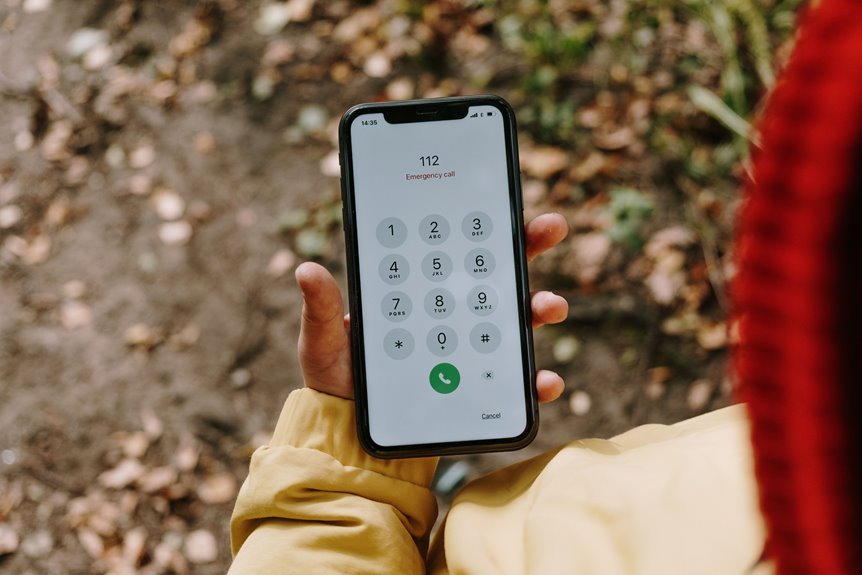
Phone Identity Verification: 5597052093, 18444946060, 8666240555, 800-448-5493, 449478727, 408-675-3202, 6473608539, 385 222 3520, 619-309-1756 & 304-458-5266

Phone identity verification sits at the intersection of user autonomy and fraud defense. The approach treats signals from call metadata, device fingerprints, and behavioral patterns as risk indicators rather than simple proofs. A multilayered, privacy-preserving framework aims to reduce data exposure while enabling attestations and consent-driven sharing. Governance, transparency, and auditability must align with compliance and ROI, yet practical deployment raises questions about signal reliability, cross-platform interoperability, and user consent thresholds. The implications warrant careful, ongoing assessment as platforms scale.
What Phone Verification Solves for Modern Platforms
Phone verification addresses core needs of modern platforms by establishing user authenticity and reducing misuse. It operates as a governance mechanism that balances accountability with liberty, scrutinizing access without overreach. The approach remains privacy preserving and user centric, prioritizing minimal data exposure. Evaluation emphasizes reliability, scalability, and transparency, ensuring legitimate participation while maintaining open, trusted environments for diverse communities.
How Verification Tech Detects Spoofing and Fraud Signals
Verification technology employs a multi-layered approach to identifying spoofing and fraud signals, translating raw signals into actionable risk indicators. The system analyzes call metadata, device fingerprints, and behavioral patterns to differentiate legitimate activity from anomalous attempts. It flags verification spoofing attempts and correlates suspicious timing with known fraud signals, enabling proactive, privacy-respecting risk triage and targeted remediation.
Building a Seamless, Privacy-Preserving Verification Experience
A seamless, privacy-preserving verification experience hinges on minimizing user friction while maintaining rigorous safeguards against abuse.
The approach decouples identity signals from intrusive data collection, favoring privacy-preserving cryptographic attestations and consent-driven data sharing.
A disciplined design prioritizes transparency, reproducibility, and auditability, enabling users to understand how their signals influence outcomes while preserving autonomy and security in a competitive, open ecosystem.
Choosing a Solution: Criteria, Compliance, and ROI
Organizations must balance usability with risk management when selecting a verification solution. The analysis identifies criteria, compliance, and return on investment as core drivers. A rigorous risk assessment informs vendor selection, privacy best practices, and data handling standards. Compliance gaps are weighed against operational impact, ensuring scalable integration. Clear metrics and governance enable informed decisions, while preserving user empowerment and freedom.
Frequently Asked Questions
What Licenses Are Required for Phone Verification Providers?
Licensing for phone verification providers varies by jurisdiction, but typically requires telephony, data privacy, and consumer-protection licenses; regulators emphasize regulatory compliance, audits, and secure data handling to maintain trust and minimize fraud risks.
How Long Does It Take to Verify a Number?
Verification speed varies; typically minutes to hours, depending on data richness and risk checks, with offline capability enabling subsequent verification when connectivity resumes. The system remains vigilant, analytical, and adaptable to preserve user autonomy and security.
Can Verification Work Offline or Without Internet Access?
Offline verification is unlikely; no internet verification is required for some cryptographic or SIM-based schemes, but most modern systems rely on connectivity. The method remains analytical, vigilant, and methodical for those seeking freedom.
What Happens to Failed Verifications—Notes or Flags Only?
Failed verifications may trigger flags and notes, informing ongoing review processes. Data retention policies dictate how long such records persist, enabling audits and accountability while preserving user privacy and system integrity, regardless of offline or online contexts.
How Is User Consent Obtained for Data Collection?
Consent is obtained via clear, informed notice aligned with the privacy policy; users actively agree, records are maintained in audit trails, and ongoing rights to withdraw are preserved, ensuring transparent, accountable data collection practices.
Conclusion
Phone identity verification integrates multi-layer signals to reduce spoofing while protecting user privacy. By translating call metadata, device fingerprints, and behavior into risk indicators, platforms gain transparent, auditable attestations and consent-driven data sharing. A privacy-first approach balances usability with fraud defenses and scalable governance, enabling interoperable verification across services. While no system is foolproof, rigorous, analytics-led evaluation and compliance alignment deliver measurable ROI in risk reduction and user trust. This framework stands as an increasingly decisive safety net—hardening defenses without exposing personal data.