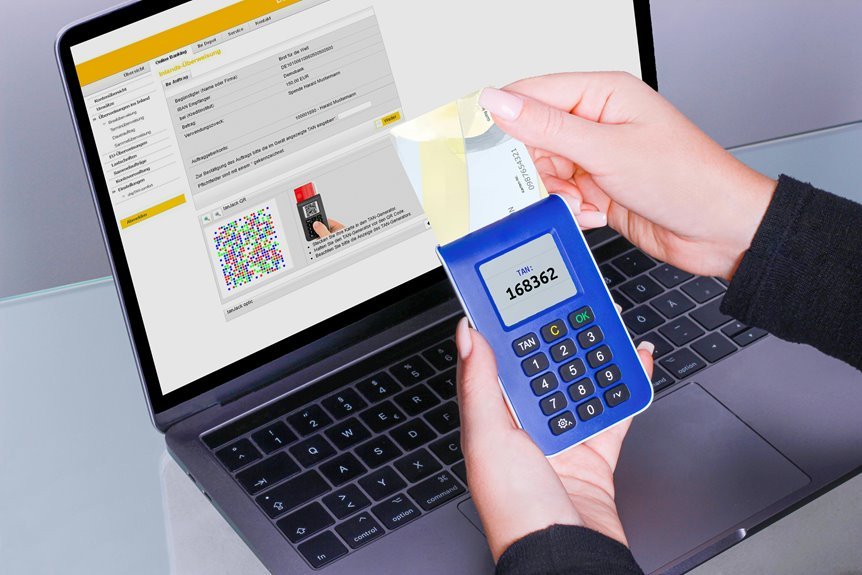
Secure Data Listing Verification Path – 5126188853, 5126311481, 5127767111, 5128310965, 5128557729, 5128902059, 5129791053, 5132986100, 5134455348, 5136555021

The Secure Data Listing Verification Path for IDs 5126188853, 5126311481, 5127767111, 5128310965, 5128557729, 5128902059, 5129791053, 5132986100, 5134455348, and 5136555021 offers a disciplined framework for provenance, identity, and privacy safeguards. It emphasizes multi-layer authentication, tamper-evident logging, and continuous risk scoring, with standardized metadata and governance oversight. The approach aims for consistent outcomes and auditable trails, but practical implementation details and edge-case handling warrant careful consideration before adoption. The next steps reveal where gaps may arise and how to address them.
Secure Data Listing Verification Path and Why It Matters
A secure data listing verification path is a structured process that ensures data entries are accurate, traceable, and auditable from creation to display. It systematically maps provenance, controls access, and records validation steps.
This approach supports identity verification and data integrity, reducing risk and ambiguity. Compliance-driven practices foster transparency, accountability, and user trust while maintaining operational efficiency and demonstrable governance.
Verifying Identity, Integrity, and Privacy Across Listed IDs
To ensure reliable outcomes, the verification of identity, integrity, and privacy across listed IDs requires a structured, multi-layered approach that separates authentication, data integrity checks, and privacy safeguards; each layer is documented, auditable, and aligned with applicable regulations.
The process emphasizes identity verification and privacy preservation, ensuring traceable, compliant assessments that support freedom through transparent, rigorous governance and consistent verification outcomes across all listed identifiers.
End-to-End Verification Workflow You Can Implement
An end-to-end verification workflow integrates the multi-layered safeguards established for identity, integrity, and privacy into a single, auditable sequence. It sequences credential checks, tamper-evident logging, and continuous risk scoring, ensuring traceability. The framework supports identity verification and data integrity by documenting each stage, validating inputs, and confirming outputs, enabling auditable, compliant operations with freedom-minded governance.
Common Pitfalls and Remediation Tactics for Trustworthy Data Listings
Common pitfalls in trustworthy data listings often stem from incomplete governance, inconsistent metadata, and inadequate provenance. Remediation begins with formal data governance enhancements, standardized metadata schemas, and auditable provenance trails. Adopt structured risk assessment to identify gaps, prioritize fixes, and measure effectiveness. Establish governance committees, documented controls, and periodic reviews to sustain trust, transparency, and resilient data listing practices.
Frequently Asked Questions
How Often Should the Verification Path Be Reviewed for Accuracy?
The review cadence should be quarterly to maintain accuracy, with an audit frequency detailed by risk assessment. The approach remains thorough, methodical, and compliant, ensuring traceability while granting stakeholders freedom to verify results independently.
What Are the Cost Implications of Ongoing Verification Efforts?
The cost implications of ongoing verification efforts include staff time, tool licenses, and incident response. Verification efforts require sustained budgeting, risk-adjusted prioritization, and periodic optimization to balance quality gains with resource constraints and organizational freedom.
Can End-To-End Workflows Handle Real-Time Data Updates?
Lightning rarely strikes twice; end-to-end workflows can accommodate real-time updates, but constraints exist. Telegraphed data can drift, synchronization must be continuous, and latency minimized to preserve integrity while enabling responsive, compliant operations for freedom-seeking teams.
How Is User Consent Incorporated Into the Verification Process?
Consent informs verification; the process records consent provenance and performs permission auditing to validate when, how, and by whom data access occurred, ensuring compliance while preserving user autonomy and auditability for stakeholders.
What Metrics Indicate Successful Integrity Over Time?
“Time heals all wounds.” Metrics indicating enduring integrity include stable hash checks, low drift in data lineage, and consistent pass rates across security audits, with trend analyses showing negligible deviation over time and robust anomaly detection.
Conclusion
The Secure Data Listing Verification Path provides a robust, auditable framework that unifies identity, integrity, and privacy across listed IDs. By enforcing multi-layer authentication, tamper-evident logging, and continuous risk scoring, organizations achieve consistent verification outcomes and heightened accountability. The approach supports governance, transparency, and compliant listing management end-to-end. While challenges may arise, a disciplined, methodical implementation keeps processes on track, ensuring accuracy and trust—like a well-oiled machine—carrying the day with steadfast reliability.