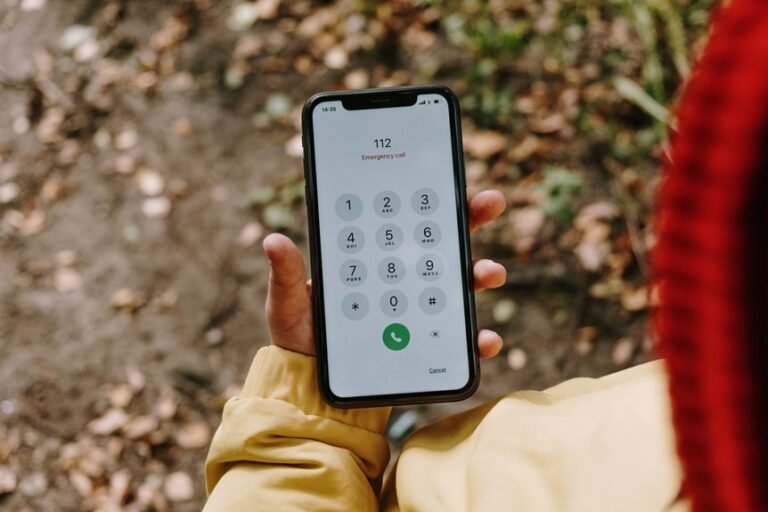
Caller Verification Search: 2186181140, 1-888-590-5962, 218-618-1140, 6015542200, 7632354450, 16043592963, 9514045354, (866) 485-5354, 8556227280 & 928218206

Caller Verification Search is presented as a structured approach to assess the legitimacy of listed numbers, focusing on identity signals, origin, timing, and provenance. The framework emphasizes risk scoring, auditable processes, and privacy controls to deter impersonation while preserving user autonomy. It outlines criteria for evaluation, flags potential anomalies, and promotes standardized steps for timely decision-making. The topic raises critical questions about accuracy, privacy, and accountability, inviting further examination of methods and safeguards before acting.
What Is Caller Verification Search and Why It Matters
Caller verification search refers to the systematic process of confirming a caller’s identity and legitimacy before proceeding with assistance or access to sensitive information. It delineates procedures for assessing risk, validating credentials, and documenting interactions. This practice supports secure communication, reduces impersonation risk, and enhances accountability. Key objectives include reliable identity verification, consistent policies, and transparent decision-making for trusted exchanges.
How to Evaluate a Caller Using Verification Tools Effectively
To evaluate a caller effectively, organizations should implement a structured verification workflow that leverages multiple, complementary tools. Verification tools integrate signals to confirm Caller identity, while risk scoring surfaces anomalies and priority. Holistic assessment combines real-time data, provenance, and authentication checks, ensuring robust Caller authentication. Clear governance and auditable procedures preserve consistency, minimize false positives, and uphold privacy during verification.
Red Flags and Scam Indicators You’Ll Spot With Verification Data
Red flags and scam indicators emerge when verification data reveal inconsistencies or patterns inconsistent with legitimate activity. The analysis identifies anomalies such as mismatched caller verification identifiers, irregular call origins, and atypical timing.
Red flags signal potential fraud; scam indicators highlight deliberate deception.
Verification data thereby enable policy-focused risk assessment, guiding prevention without compromising user autonomy and freedom to engage.
Best Practices to Verify Callers Without Wasting Time or Compromising Security
Verification efficiency must align with security safeguards established in verification data analysis, ensuring rapid assessment without compromising trust. The approach emphasizes standardized procedures, minimal friction, and auditable steps.
Call screening relies on robust data sources, consistent caller identity checks, and context-aware prompts.
Balancing efficiency with verification accuracy requires disciplined workflows, clear ownership, and periodic review to prevent drift and preserve user freedom.
Frequently Asked Questions
Can Verification Tools Identify Caller Spoofing Attempts Accurately?
Verification tools offer partial accuracy; spoofing indicators exist but have limitations. They vary by regional variations, industry specific nuances, and refresh cadence. Cost implications influence threshold customization, while sophisticated schemes challenge verification tools limitations and overall caller verification accuracy.
Do Verification Results Differ by Industry or Region?
Caller verification results exhibit regional variance and industry trends, with verification accuracy fluctuating by dataset freshness and spoofing detection effectiveness; threshold customization and cost impact shape policy, while robust databases enhance spoofing detection across sectors.
How Often Should Verification Databases Be Refreshed?
Verification cadence should balance risk and efficiency, updating at least monthly for routine data and quarterly when high-stakes verification is involved, ensuring data freshness aligns with regulatory expectations and operational risk tolerance.
What’s the Cost Impact of Adding Verification Layers?
“Costs rise with more gates”; the cost impact depends on implementation scope, with regional differences in labor, tech, and compliance. A policy-focused assessment notes marginal costs may vary by jurisdiction and data governance requirements.
Can Users Customize Verification Thresholds for Calls?
Yes, users can adjust verification thresholds, balancing security and usability; this customization thresholds shape flows. However, systems prioritize spoofing detection, applying stringent checks when risk indicators rise, ensuring robust protection while preserving user autonomy.
Conclusion
In the ledger of communications, each caller is a coin with two sides: trust and risk. Verification tools act as the mint, stamping authenticity while exposing counterfeit signals. The workflow functions as a guardrail, guiding decisions with auditable steps and privacy by design. When anomalies arise, alerts become lighthouses, not verdicts. Properly balanced, verification preserves autonomy, sustains trust, and prevents impersonation—casting a stable, transparent beacon across the noisy harbor of inbound calls.