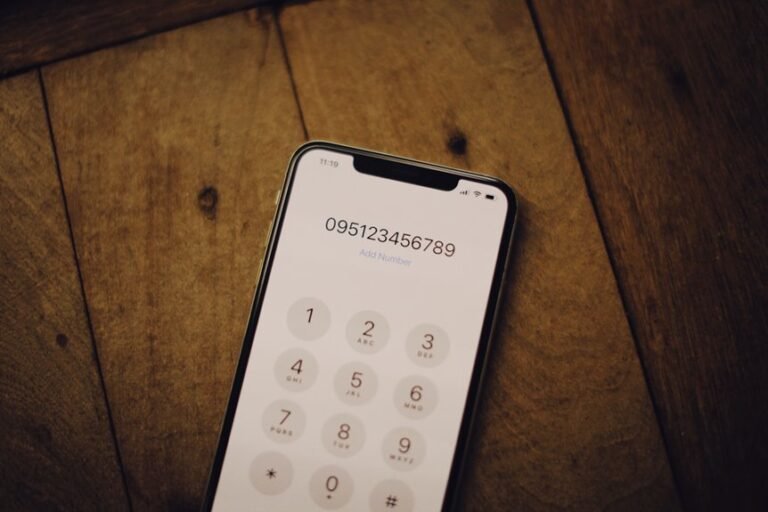
Caller Lookup Directory: 905 234 1298, 8554828066, 2014623980, 9025664147, 6028060742, (865) 669-6225, 8442606518, (855) 272-1206, 800-396-6861 & 444985600

A caller lookup directory links numbers to potential identities by aggregating data from registries, carriers, and user reports. The listed numbers—varying formats and regions—illustrate the challenges of consistency and verification. The process requires consent, accuracy checks, and safeguards against misidentification. Stakeholders must weigh privacy against transparency as they assess origins, traces, and possible next steps, all while considering how reliable results must be before acting on them. The topic invites closer scrutiny of methods and limitations.
What Is a Caller Lookup Directory and Why It Matters
A caller lookup directory is a centralized resource that associates phone numbers with corresponding caller identities, enabling users to identify who is reaching out. It catalogs caller origins and supports caller verification, helping individuals make informed decisions while preserving autonomy. The directory balances accessibility with privacy, offering transparent data use practices and cautious disclosures to minimize misidentification and misuse.
How Numbers Get Tracked: Origins, Tracing, and Verification
Tracking numbers originate from countless network events and service records, then traverse multiple intermediate systems before a destination is reached.
Origins tracing appears as metadata trails across carriers and databases, revealing handling steps and timestamps.
Verification methods emphasize cross-checks among registries, carrier logs, and caller-provided data. This cautious approach safeguards accuracy while preserving user autonomy and freedom of choice.
Practical Steps to Identify Callers Safely
Effective identification of callers requires a measured approach that respects privacy while enabling verification. The process favors documented procedures: initiate a caller lookup through authorized channels, respect caller privacy, and avoid unsolicited data. Trace origins with corroborated data, then implement verification steps to confirm legitimacy. Maintain records, limit data exposure, and comply with applicable laws and ethical standards.
Privacy, Safety, and Making the Right Call Decisions
Privacy, safety, and decision-making in caller interactions require strict adherence to ethical guidelines and legal boundaries; how one handles information can determine trust and risk.
The discussion highlights privacy risks and emphasizes safety protocols as foundational controls.
Stakeholders should balance transparency with minimization, implement clear data handling procedures, and prioritize user consent to support informed, autonomous, and responsible calling choices.
Frequently Asked Questions
Can Caller Lookup Reveal Business or Personal Data Behind Numbers?
Caller lookup can reveal some public business or personal data, but must respect caller privacy and data accuracy. The practice is cautious, with limits on sensitive details and emphasis on consent, legality, and data integrity.
Are There Legal Risks to Using Caller Lookup Services?
Risks exist. Privacy lines tighten as data ethics, data retention, privacy concerns, and consent issues guide scrutiny; legal exposure arises from unauthorized disclosures, misuse, or sloppy sharing. Cautious operators balance freedom with compliance and transparency.
How Reliable Are Cross-Platform Caller ID Results?
Cross Platform results vary; Reliability Metrics show moderate consistency, yet discrepancies exist. Caller ID accuracy hinges on data sources and privacy safeguards. Data Privacy concerns persist, demanding transparent methods and user control for individuals seeking freedom and informed choices.
What Are Common Red Flags in Suspicious Lookup Data?
Red flags include inconsistent names and numbers, mismatched geographic locations, and abrupt formatting shifts; data accuracy varies with source reliability, updates lag, and spoofed identifiers. Cautious interpretation is essential for anyone seeking freedom from deception.
Do Lookup Services Share Data With Third Parties?
Yes, lookup services may engage in data sharing in lookup, exposing privacy implications; data sharing practices vary, warranting scrutiny of terms, consent, and vendor reliability to balance freedom with security and personal information controls.
Conclusion
In the quiet shadow of modern communication, the caller lookup directory serves as a cautious compass. Like an ancient innkeeper counting travelers, it cross-references registries and logs to illuminate origins without revealing every detail. The dance between transparency and privacy unfolds—each number a potential signal, each trace a careful hint. When used judiciously, the tool guides decisions, helps prevent misidentification, and ends in safer, more informed contact choices for all.