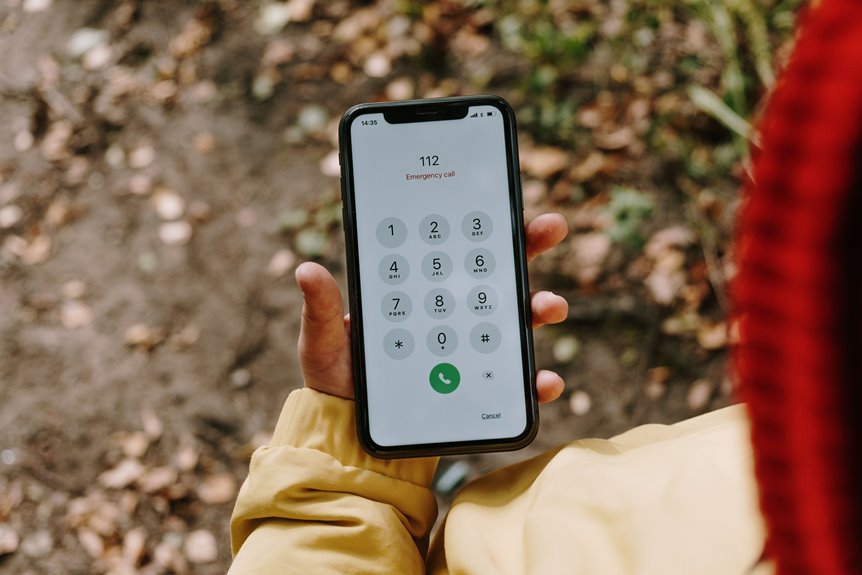
Phone Contact Records: 8599631921, 5138600470, 415 968 2084, 3608011604, 470-450-3413, 665161882, 9126165004, 4805465472, 646-600-1337 & 9102266101

Phone contact records, such as the numbers listed, map social ties and routines through device logs and app data. They reveal who is reached, how often, and when, shaping insights into relationships and activity patterns. The collection and storage practices vary by service, with privacy risks tied to data sharing and aggregation. Careful minimization, clear policies, and robust protections are essential to maintain control while enabling useful contact histories; the implications warrant closer consideration.
What Phone Contact Records Reveal About You
Phone contact records can reveal patterns of communication, routines, and social networks, offering a window into who a person interacts with and how often.
They show connections, timing, and relative prominence in networks.
This awareness highlights privacy risks, guiding individuals toward protective practices, such as limiting data sharing, reviewing permissions, and using secure, private communication methods to maintain autonomy and security.
How Contact Logs Are Collected and Stored
Contact logs are collected and stored through a combination of device-level data, app permissions, and service provider records.
The process emphasizes transparency about collection scopes, with firms outlining data flows and retention timelines.
Privacy implications arise when logs are shared or aggregated.
Data minimization principles guide practices, limiting unnecessary retention and ensuring access is restricted to legitimate purposes.
Privacy Risks and Protective Practices for Your Contacts
Privacy risks arise from how contact data can be accessed, shared, or aggregated across apps and services.
The discussion notes that privacy leakage can occur through permissions, backups, and third-party integrations.
Protective practices emphasize data minimization, limiting unnecessary access, and regular audits.
Individuals should prefer transparent policies, minimize stored details, and enable controls that reduce exposure while preserving usable contact histories.
Practical Steps to Manage and Protect Your Contact History
Effective management of contact history builds on the prior discussion of privacy risks and protective practices by translating concepts into concrete, actionable steps. The approach emphasizes centralized contact organization, regular audits, and secure backups. It recommends consent-driven updates, minimal metadata retention, and encryption at rest. For freedom-aware users, it balances transparency with caution, ensuring privacy risks are mitigated through disciplined protective practices.
Frequently Asked Questions
Do These Numbers Belong to Specific Individuals or Businesses?
The numbers’ ownership cannot be confirmed here; identifying owners requires data provenance and verification. It is prudent to treat these as potentially personal or business lines until proper records are consulted, avoiding assumptions or disclosures.
How Accurate Are Contact Timestamps Across Apps?
Contact timestamps vary in precision; accuracy depends on app synchronization. Differences arise from clock sources, server latency, and data merging. When evaluating, assess cross-device consistency, metadata provenance, and timestamp normalization across the involved apps and services.
Can I Export or Delete Someone Else’s Contact Data?
Exporting or deleting someone else’s contact data is restricted and typically unlawful without consent or proper authorization; data portability and export controls apply. The practitioner notes cautious compliance, clarifying permissions, and pursuing lawful, transparent, minimally invasive data handling.
Do Emergency Services Access My Contact History Automatically?
Emergency access is not automatic; emergency services may obtain essential data with patient consent or when legally required. Contact history access depends on jurisdiction, applicable laws, and device data sharing settings, ensuring privacy while prioritizing urgent safety needs.
What Regression Tests Ensure Contact Data Integrity Over Time?
Regression tests for contact data integrity should verify API sync consistency, timestamp stability, and field-level consistency across versions. They ensure data privacy by validating access controls, audit trails, and encrypted transmission while remaining compliant and cautious.
Conclusion
Phone contact records reveal intimate rhythms of daily life, yet logs also expose vulnerabilities. Juxtaposing precision with fragility, the data map shows routine patterns beside the ease of exposure. In one vein, connectivity signifies belonging and efficiency; in the other, privacy erodes through shared access, backups, and cross-service flows. A cautious stance—minimize collection, enforce strict permissions, encrypt at rest, and review policies—balances usable history with protective restraint, preserving autonomy without sacrificing utility.