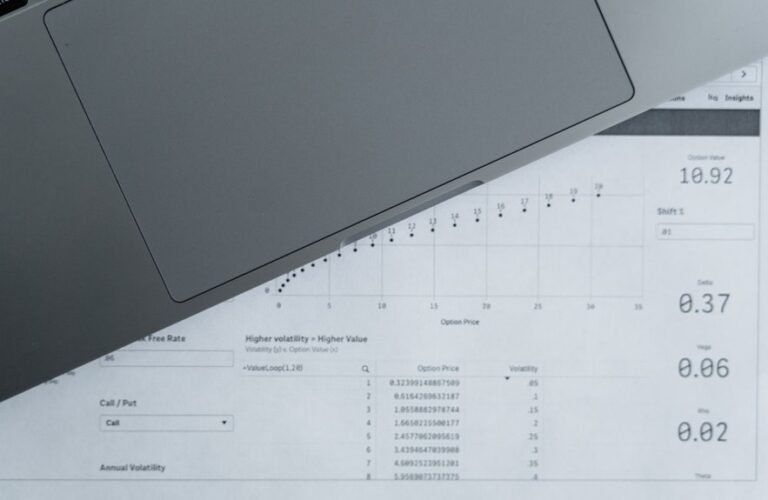
Advanced Planning Model 6147582350 Industry Acceleration

The Advanced Planning Model 6147582350 represents a significant advancement in strategic decision-making within complex industries. By integrating predictive analytics, it allows organizations to forecast demand and optimize inventory effectively. This model enhances operational agility and fosters collaboration among teams, leading to improved communication and shared objectives. Its impact on resource allocation and waste reduction raises important questions about its long-term implications for competitive advantage and resilience in evolving market conditions.
Key Features of the Advanced Planning Model 6147582350
The Advanced Planning Model 6147582350 presents a comprehensive framework designed to enhance decision-making processes in complex operational environments.
Central to its features is the integration of predictive analytics, which facilitates accurate forecasting within the supply chain. This enables organizations to anticipate demand fluctuations, optimize inventory levels, and improve responsiveness, ultimately fostering a more agile and efficient operational strategy aligned with the pursuit of freedom in decision-making.
Impact on Resource Optimization
Integrating predictive analytics within the Advanced Planning Model 6147582350 significantly influences resource optimization strategies.
This approach enhances resource allocation by utilizing data-driven insights to streamline processes. Consequently, organizations can improve efficiency metrics, ensuring optimal use of available resources.
Enhancing Collaboration Across Teams
While fostering collaboration across teams can present challenges, the Advanced Planning Model 6147582350 offers a structured framework that facilitates effective communication and coordination.
By promoting cross-functional synergy, the model enhances team alignment, enabling diverse groups to work cohesively towards common goals.
This strategic approach not only streamlines processes but also empowers teams, fostering an environment that encourages innovation and adaptability.
Transforming Decision-Making Processes
As organizations increasingly face complex challenges, transforming decision-making processes becomes essential for maintaining competitiveness.
Leveraging data-driven insights and predictive analytics enables leaders to make informed choices swiftly. By adopting these tools, organizations can anticipate market shifts and respond proactively, fostering a culture of agility and resilience.
This transformation empowers teams to navigate uncertainties, ultimately enhancing strategic alignment and operational effectiveness in a dynamic environment.
Conclusion
In conclusion, the Advanced Planning Model 6147582350 serves as a compass in the turbulent sea of industry dynamics, guiding organizations toward strategic clarity and operational excellence. By harmonizing predictive analytics with collaborative efforts, it not only refines resource utilization but also invigorates decision-making processes. This model empowers businesses to navigate uncertainties with agility, transforming potential challenges into opportunities for growth and resilience, ultimately ensuring a competitive edge in an ever-evolving marketplace.